
Track timing
Note when diarrhea started and how many loose stools happened.
Diarrhea is a texture problem first, but color can change the urgency. Match the closest color below, then open the combined result for practical next steps.

Quick answer
Dog diarrhea color checker helps narrow the next step by combining appearance, symptoms, timing, and the closest detailed stool result. It is educational guidance, not a diagnosis.
Decision tool
Select any symptoms happening with the diarrhea. The result is a practical contact guide, not a diagnosis.
Current guidance
No added red flags are selected. Keep notes, watch whether the change repeats, and contact your veterinarian if your pet seems unwell.
Why this result: no urgent symptoms are selected yet.
Privacy mode
This quiz runs only on the page. Nothing is saved, uploaded, or stored.
Current guidance
Monitor closely
Black, tar-like diarrhea or diarrhea with repeated blood should be handled as urgent. Mild one-time loose stool is different from repeated watery stool with illness signs. This tool is educational. It cannot diagnose your pet or replace advice from your veterinarian.
Prepare vet summary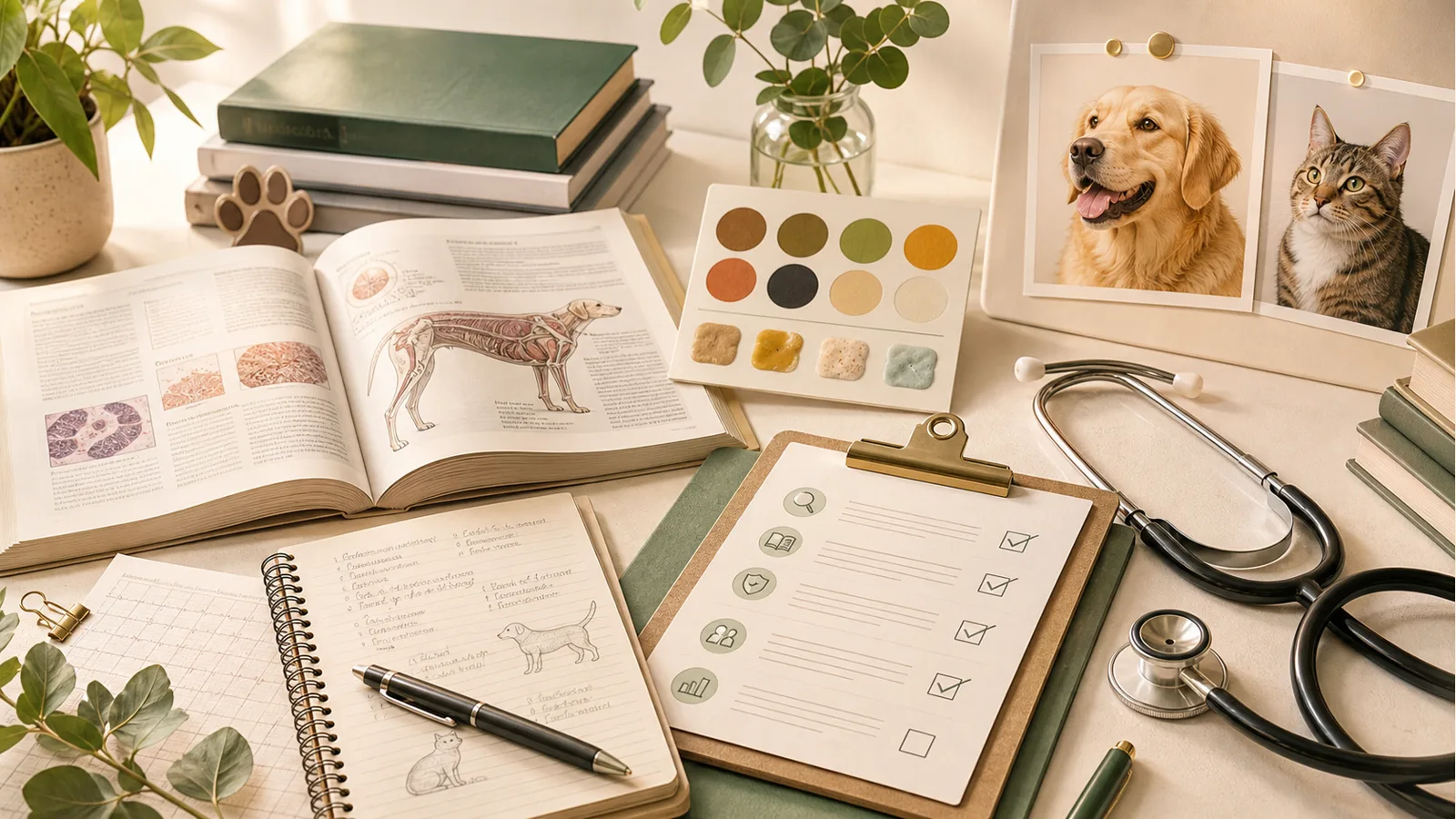
Exact result
Choose the color that looks closest, then open the exact color and liquid-stool result for next steps.
Vet prep summary
The quick check above keeps the symptoms, action label, and page URL together so you can paste a cleaner note into a clinic message or appointment request.
Open full vet call checklistNote when diarrhea started and how many loose stools happened.
Watch for vomiting, weakness, appetite loss, blood, black stool, or dehydration signs.
Bring a fresh stool sample or clear photo if your clinic asks for one.
Scenario FAQ
These answers are visible on the page and match the FAQ structured data.
Call a veterinarian promptly if the stool change repeats, appears with vomiting, appetite loss, weakness, pain, pale gums, collapse, black tar-like stool, or repeated blood.
Save a clear stool photo, note when it started, count how many abnormal stools you saw, and write down recent food, treat, medication, supplement, or toxin exposure changes.
No. Color is only one signal. Texture, frequency, smell, appetite, energy, vomiting, pain, hydration, and whether the change repeats all change the level of concern.
Black or tar-like diarrhea and diarrhea with repeated red blood are the most urgent color patterns because they can point to bleeding or serious gut irritation.
PetPoopColor uses veterinary references for urgency framing and keeps this page as education, not diagnosis.
The cards below are grouped by what pet owners usually notice first: watery stool, blood, black stool, mucus, or vet-call prep.