Diarrhea
Watery, loose, or repeated stool
Dog and cat stool checker
Pick dog or cat, match the color and texture, then get plain-language guidance on what it may mean and when to call a vet.

Professional pages avoid forcing every user through the same block. These paths let urgent-looking stool changes surface quickly while the full checker stays available.
Choose both details, then open the combined result if you need next steps.
Live result preview
This updates from your two selected options. Open the detailed page for severity, red flags, FAQ, and vet-note copy.
Usually normal
Brown stool is usually a healthy sign when your dog is eating, drinking, and acting normally. A firm, log-shaped stool that is easy to pick up is usually the target texture for a healthy dog.
Why this matters
Color points to possible causes. Texture tells you whether the stool is moving normally, too slowly, or too fast.
What it may mean
Next steps
The site should keep routing users to practical checks, photo prep, sample prep, and exact results instead of making everything feel like the same centered template.
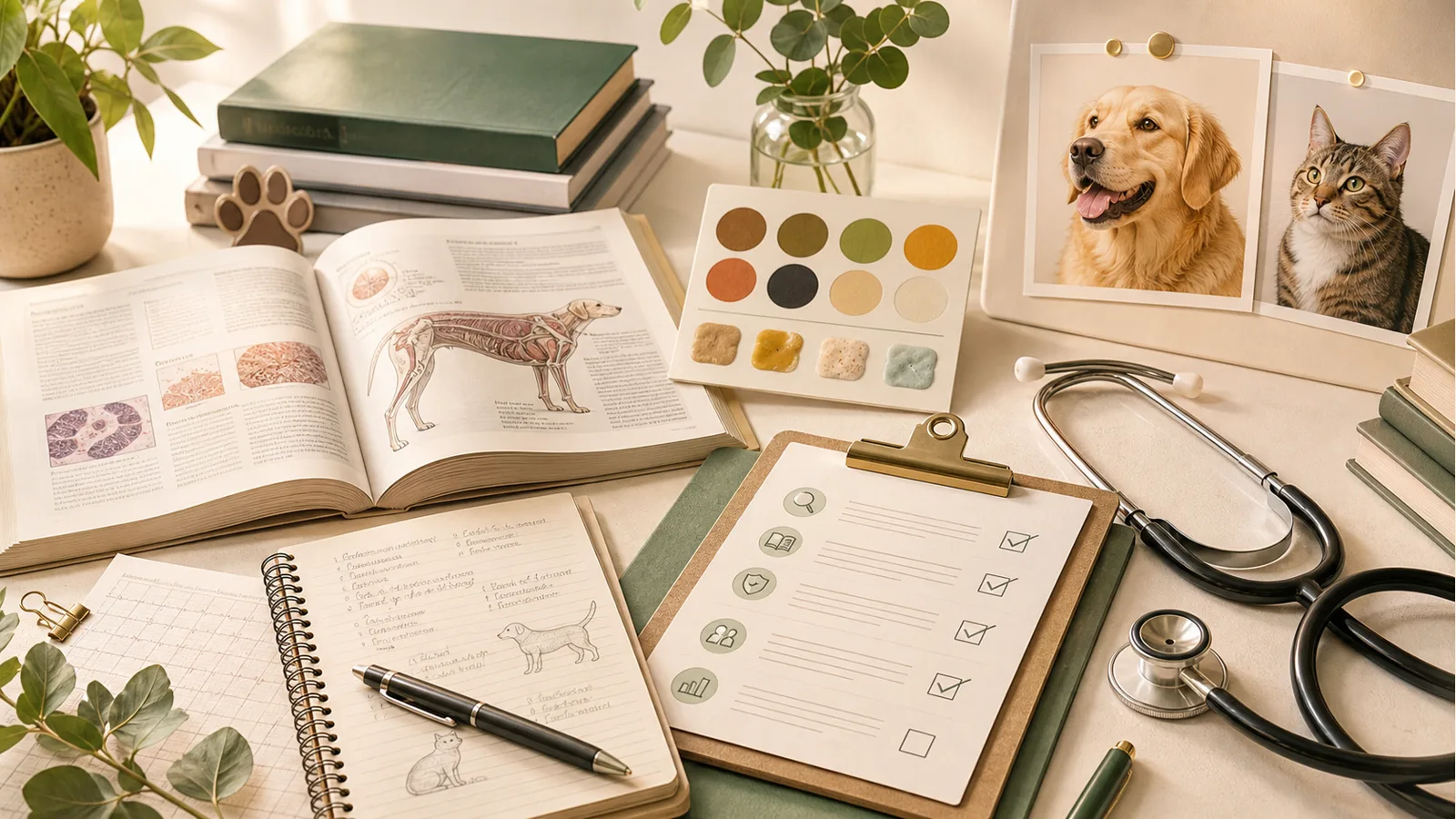
The generated atlas keeps color, texture, and warning context in one visual moment, then links users into the exact checker and guide pages.
Open full color guide
Searched often
If Google showed this site for a dog poop color chart, cat stool color guide, diarrhea color, blood, black stool, or mucus concern, these links take you straight to the matching checker.
Color guide
Not sure which color matches?
Compare all poop colors first, then come back to check texture and next steps.
Use the chart if you are not sure which color or texture matches before checking the result.
Start by symptom
Choose the sign you noticed first, then pick dog or cat for a more focused check.
Keep exploring
Most pet owners arrive with one detail. The better answer usually comes from comparing color, texture, symptoms, and whether the change repeats.
Most checked colors
Problem tools
Diarrhea, blood, black stool, and mucus each have a faster path.
When to call a vet
Black, tar-like stool or bright red blood should not be treated like a normal color variation.
Before a clinic call
A clear photo plus timing, food changes, and symptoms makes the vet conversation faster.
Color + texture matters
Brown stool with watery texture means a different next step than brown, firm stool.
Treat as a high-signal color because it can point to digested blood.
Fresh blood signals should be taken seriously, especially when repeated.
Can be diet-related, but repeated changes need context from texture and symptoms.
Texture can raise concern even when the color looks normal.
A slick coating can happen with colon irritation and deserves tracking.
PetPoopColor keeps stool color, texture, timing, symptoms, and vet-prep guidance visible on the page, with veterinary source links where urgency claims need context.
Popular stool checks
Start with the symptom you noticed, then compare color and texture for clearer next steps.
Start with the dog stool pages owners search most often.
These pages explain patterns that should move faster toward vet guidance.
Use combined pages when color and texture both matter.